On this page: Pre-Conference Webinar | Full Preliminary Program | Plenary Speakers
Pre-Conference Webinar
Date & time: Thursday, May 21 at 9 a.m. ET (8 a.m. CT, 2 p.m. GMT, 3 p.m. CET, 9 p.m. HKT)
Presented by: David Dudgeon, The University of Hong Kong
Global homogenization of freshwater fish diversity during the Anthropocene: evidence from tropical East Asia
Interactions between climate change, poor water quality and habitat degradation have enhanced the spread of non-native species tolerant of a range of conditions, while reducing the resilience of natives. A gradual rise in the proportion of non-native freshwater fishes (Actinopterygii) since the start of the Anthropocene (circa 1950) has accelerated in recent years. As the prevalence of non-native species has increased, fish assemblages have become more homogeneous. Non-native fishes have proliferated in degraded or novel habitats in the human-dominated landscapes of tropical East Asia, especially China. In highly-urbanized Hong Kong and Singapore, the richness of non-natives has grown to exceed the number of native species. They include fishes introduced for aquaculture, and a growing variety imported for aquaria. Species that have life-history adaptions with no analogues among their native counterparts have been particularly successful. As climate-change ‘winners’, non-native fishes will become more prevalent in a warmer world, leaving a distinctive Anthropocene fingerprint upon freshwater ecosystems.
A recording will be available on the Invasive Species Centre YouTube page after the live webinar.
ICAIS 2026 Preliminary Program
We’re pleased to present the program for the 24th International Conference on Aquatic Invasive Species! Please note that all times are in GMT (UTC +0) and subject to change.
Meet the ICAIS 2026 plenary speakers:
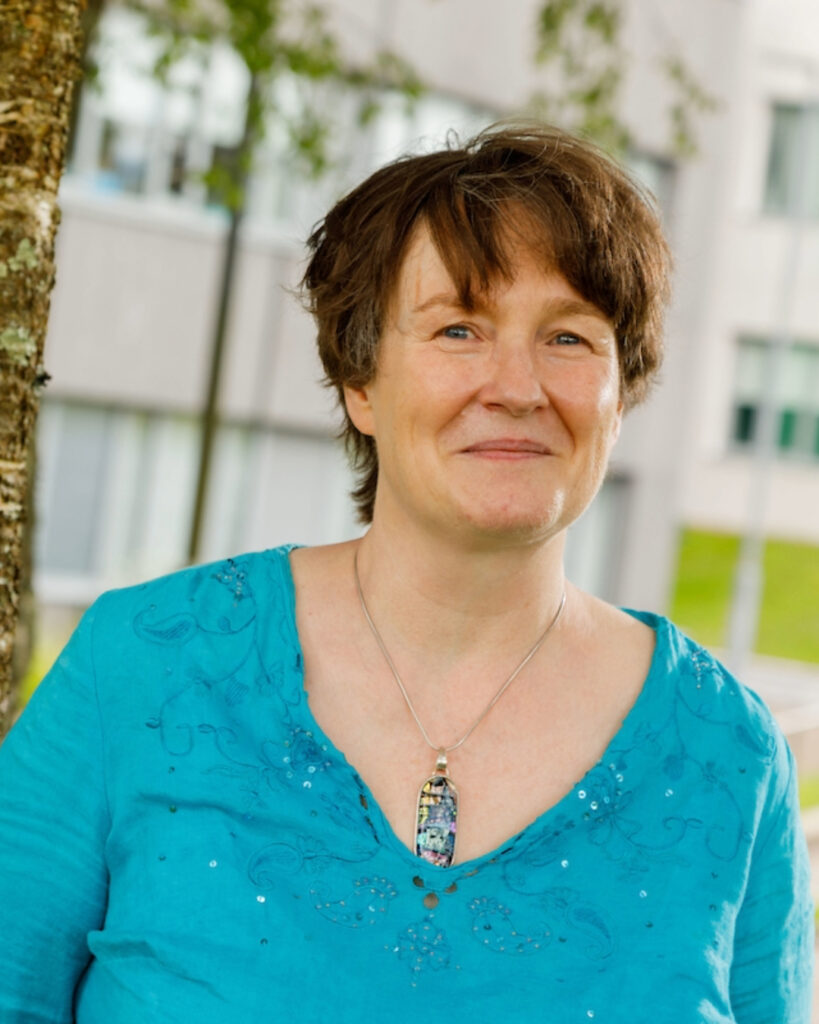
Frances Lucy
Honorary Chair for the 24th International Conference on Aquatic Invasive Species
ATU lead for the EUGREEN European University Alliance at Atlantic Technological University, Ireland
Will be presenting: Casting a glance in the rear-view mirror – how the ICAIS Series captures the ongoing development of aquatic invasive species research and management
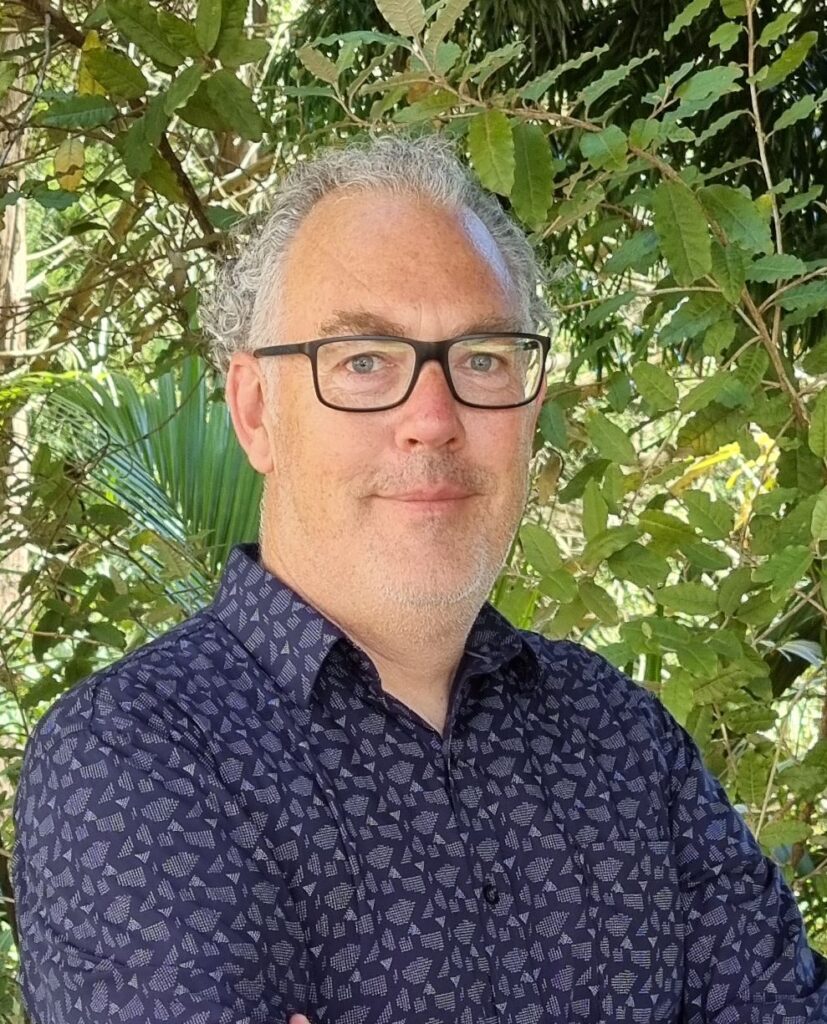
Ian Duggan
School of Ecology, Biodiversity and Animal Behaviour, University of Waikato, New Zealand
Will be presenting: Mitigation trumps remediation: Lesson from research on vectors for the movement of freshwater invertebrates in New Zealand
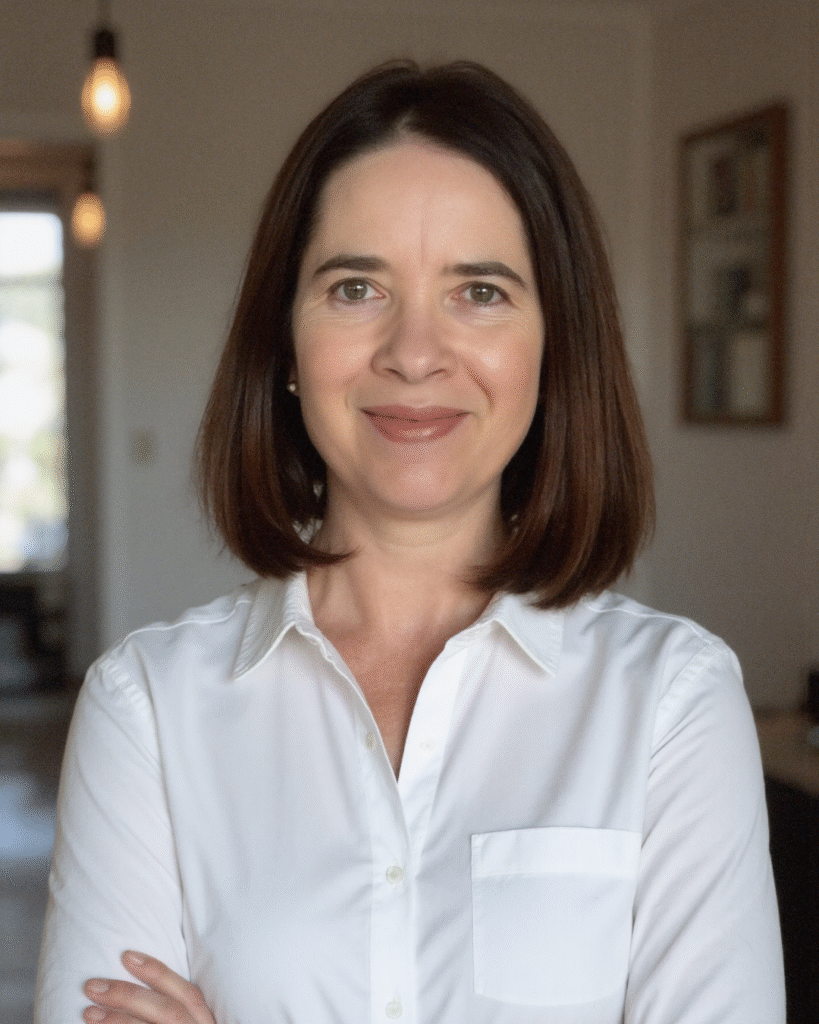
Melodie A. McGeoch
School of Biological Sciences, Monash University, Melbourne, VIC, Australia
Will be presenting: Governing biological invasions under rapid environmental change
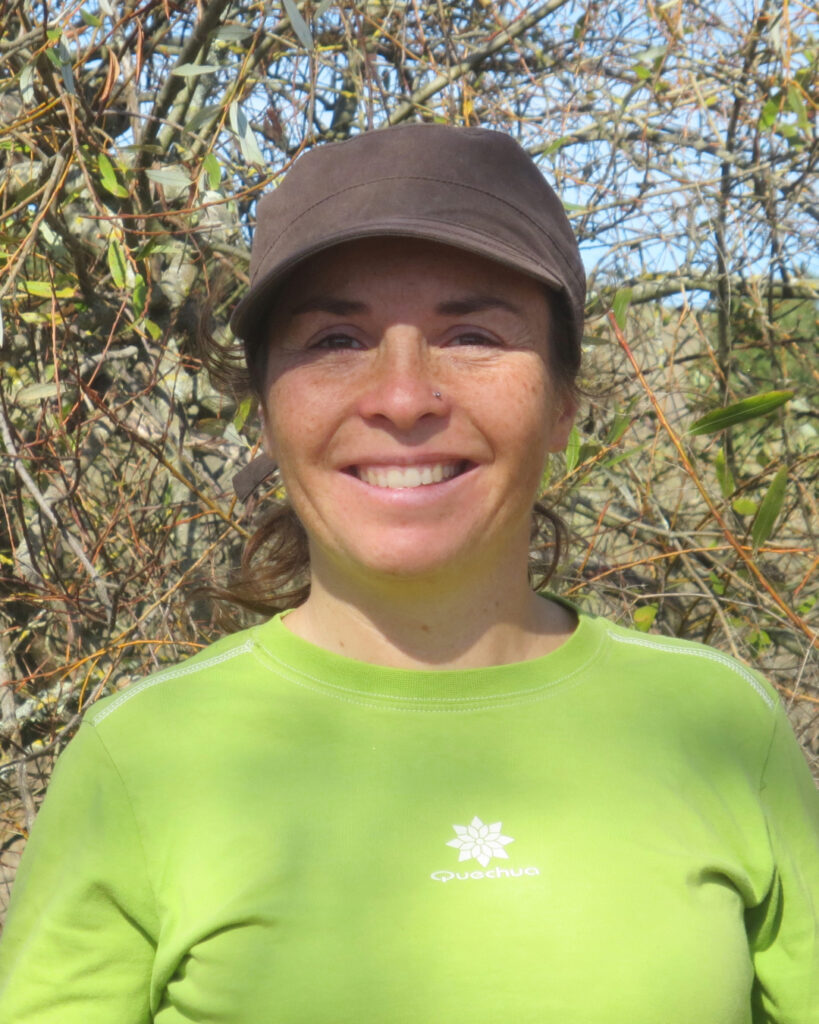
Ana Nunes
UCN (International Union for Conservation of Nature), United Kingdom
Will be presenting: Tackling invasive alien species through policy support and stakeholder engagement
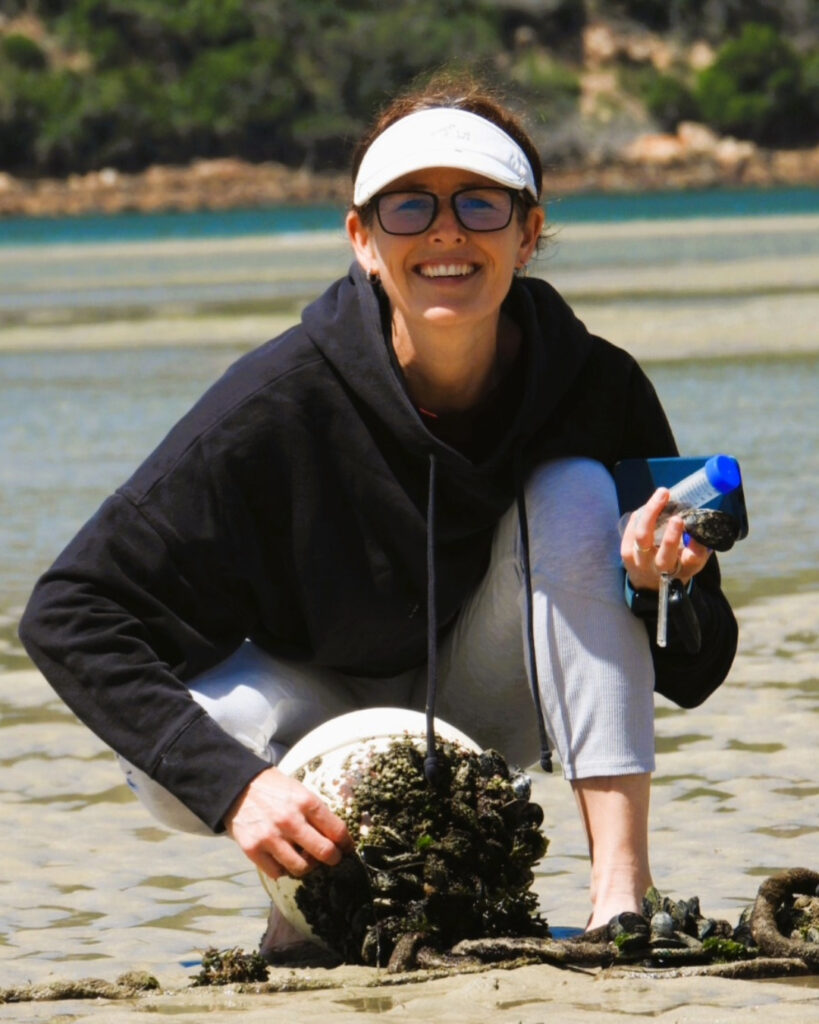
Tammy Robinson-Smythe
Research Chair at the Centre for Invasion Biology in South Africa, South Africa
Will be presenting: Research in support of conservation: Managing invasions in South African marine protected areas
Marine protected areas (MPAs) have a mandate to protect biodiversity, secure ecosystem services and support human health and well-being. Biological invasions undermine the ability of MPAs to meet these goals. Despite this recognition, the ability of South African conservation agencies to respond to invasions has been very limited. This has been addressed by developing a close working relationship with agencies that has included information sharing, training, collaboration and resource pooling. A prerequisite for evidence-based decision-making in alien species management, are complete species lists and routine monitoring. However, in a South African context, the resources available to meet these goals are limited. In response, field survey methodologies have been optimised and approaches have developed for unlocking high quality citizen science data – ultimately leading to the detection of eight species previously unreported from South Africa. Using a modelling approach to combine information on the environmental and habitat requirements of species and the pathways that link locations along the coast, a process has been developed for identifying MPAs that are at risk of invasion by newly recorded species. This will support MPAs in identifying taxa for which they need to develop site specific contingency plans, a key step in the pre-emptive management of impactful invaders. Strong interpersonal and interinstitutional relationships coupled with sound science have been key to developing an uncontested scientific basis for managing invasions in South African MPAs.
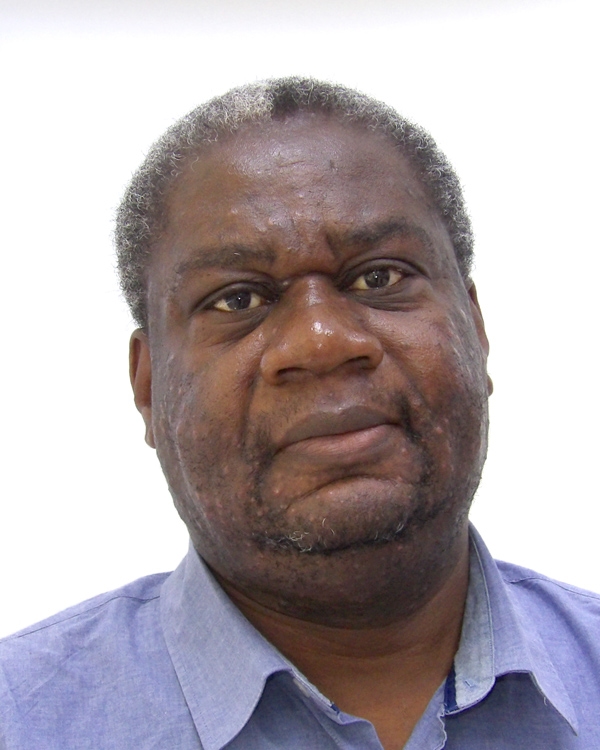
Tsungai Zengeya
Principal Scientist at the South African National Biodiversity Institute
Will be presenting: Aquatic invasions in South Africa: insights from national reports on the status of biological invasions and their management